









Collier Arts Archive: Preserving 50+ Years of Local History
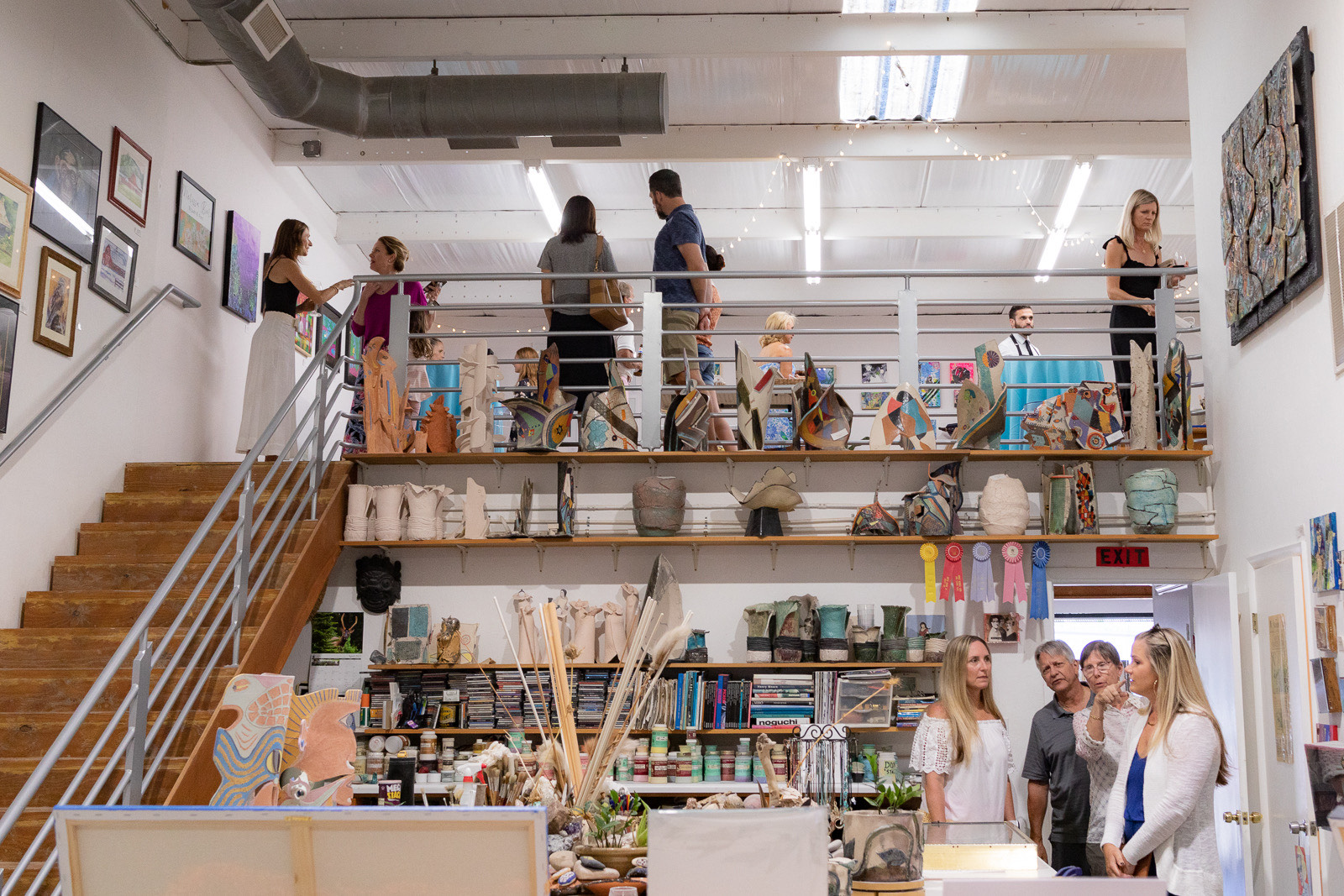
The arts have always been an essential part of Collier County’s identity. From intimate gallery openings in Naples to large-scale community festivals, creativity has shaped the region’s character for more than half a century. Today, that rich legacy is being systematically preserved through an exciting new initiative: the Collier Arts Archive.
Launched by United Arts Collier (UAC), this ambitious digital preservation project aims to create the county’s first comprehensive, official arts timeline. By collecting photographs, documents, oral histories, and physical memorabilia, UAC is building a living repository that will serve researchers, educators, artists, and future generations.
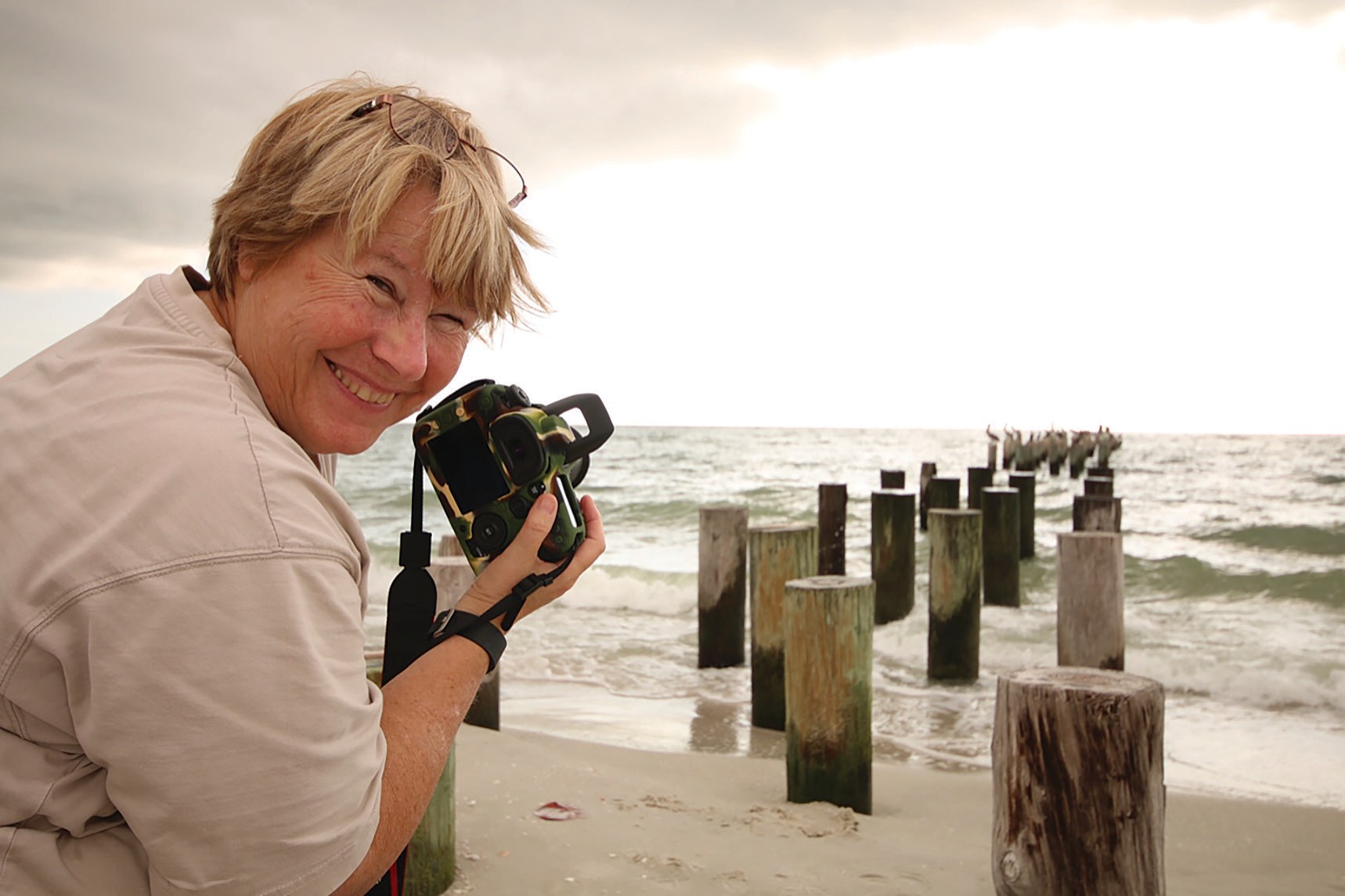
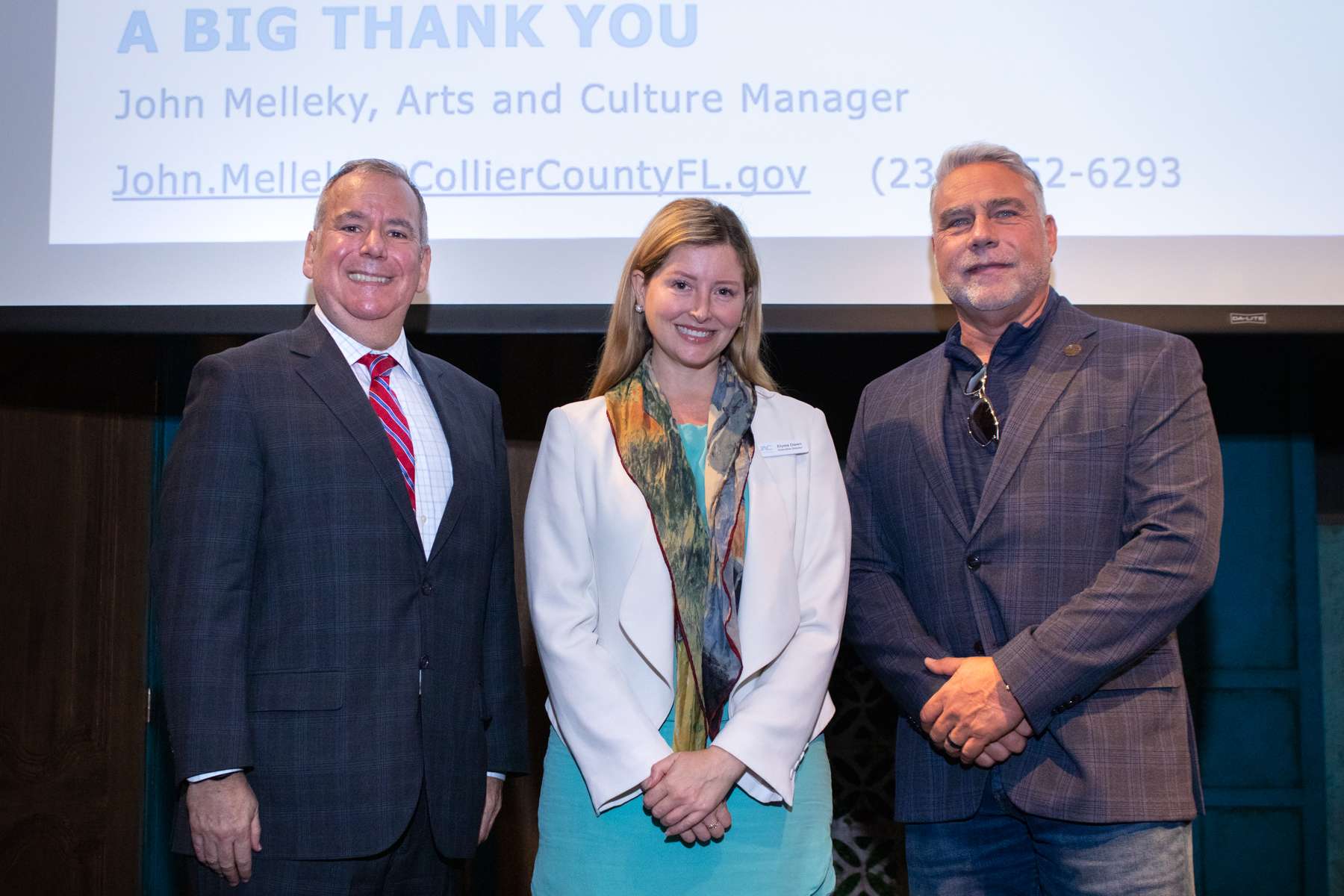
Image Grid 1


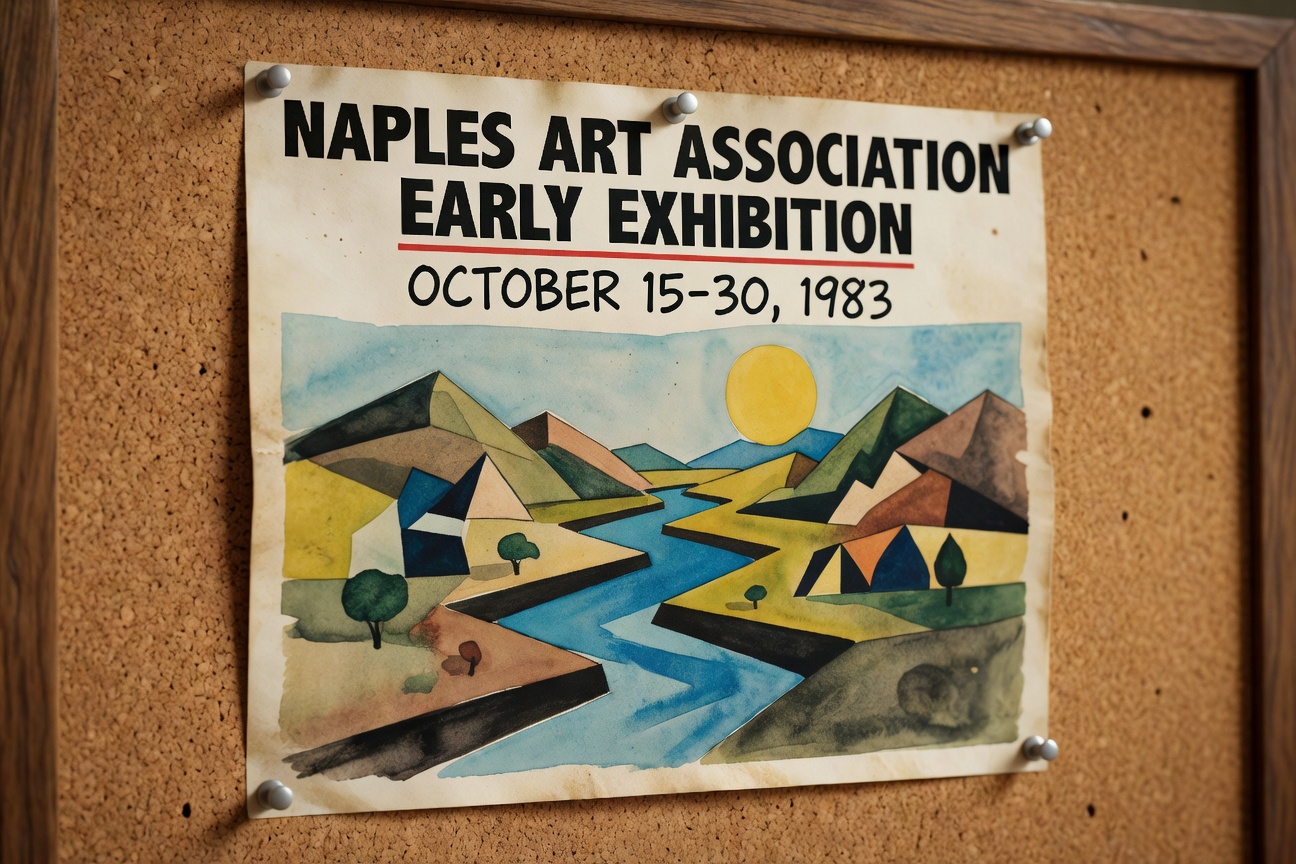

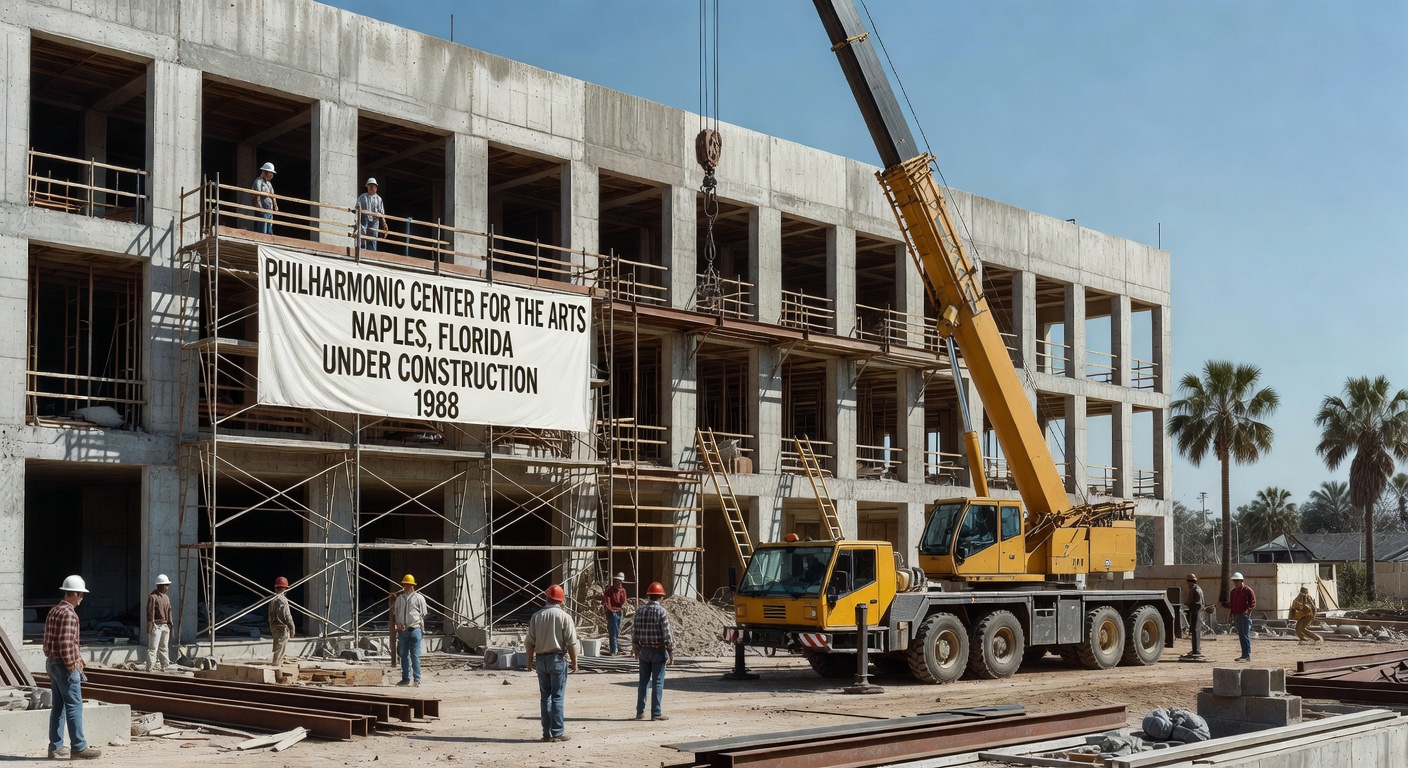

This article takes an exclusive deep dive into the initiative, its connection to UAC’s three-year strategic plan, previously unreported early artifacts, and the community’s role in shaping this important cultural project.
Launch of the Initiative
The official launch of the Collier Arts Archive was announced in early 2025 as a cornerstone of United Arts Collier’s 2025–2028 Strategic Plan. According to UAC Executive Director Maria Elena Rodriguez, the archive addresses a critical gap: while many individual organizations kept their own records, there existed no centralized, accessible collection documenting the broader narrative of arts and culture in Collier County.
“We realized we were losing our own history,” Rodriguez explained during an exclusive interview. “Galleries closed, artists passed away, and boxes of irreplaceable materials sat in garages and storage units. The Collier Arts Archive ensures these stories are saved, digitized, and made available to the public.”
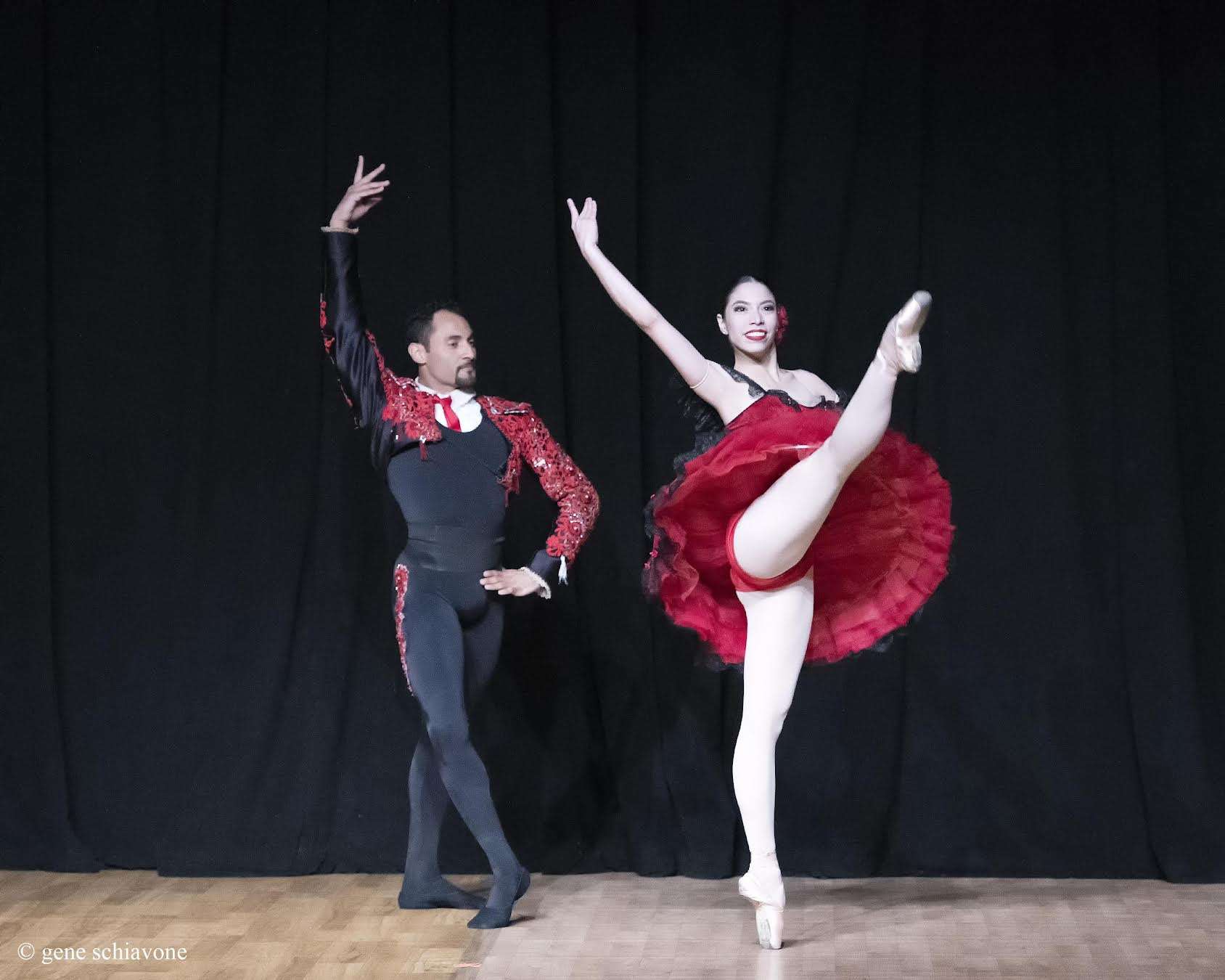
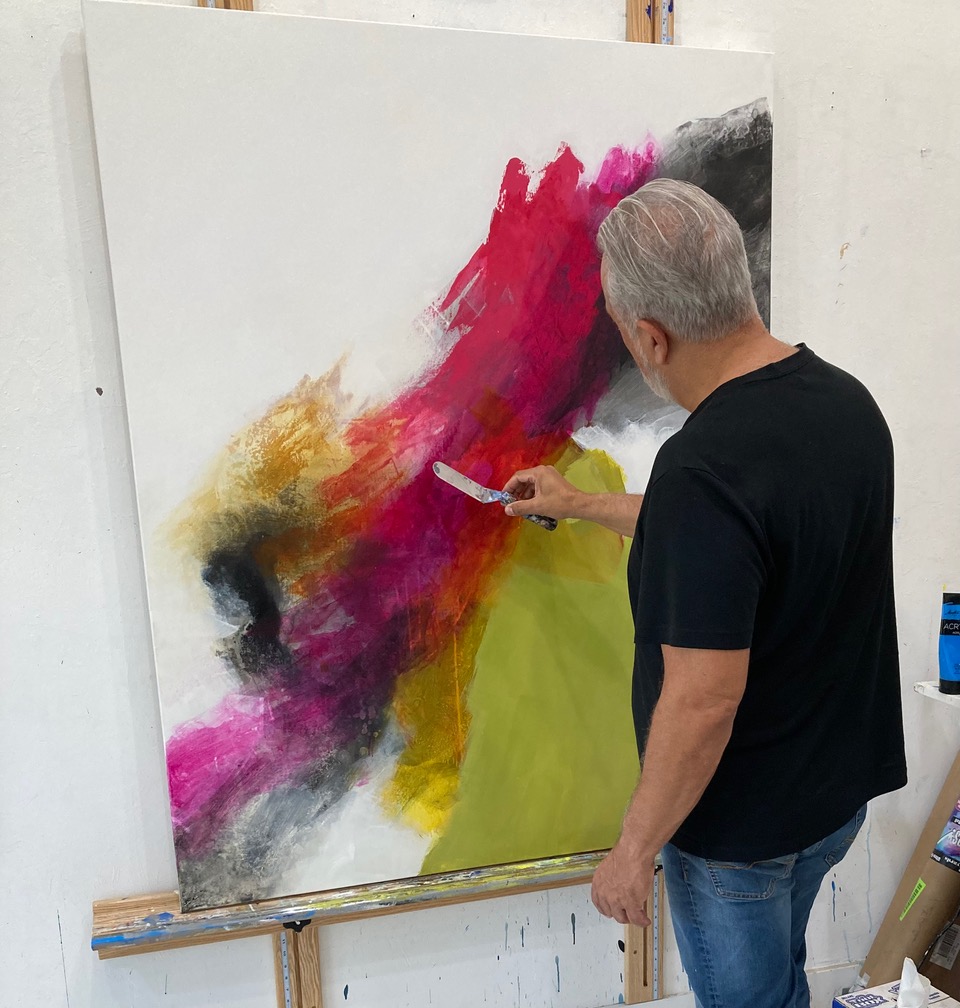
Image Grid 2
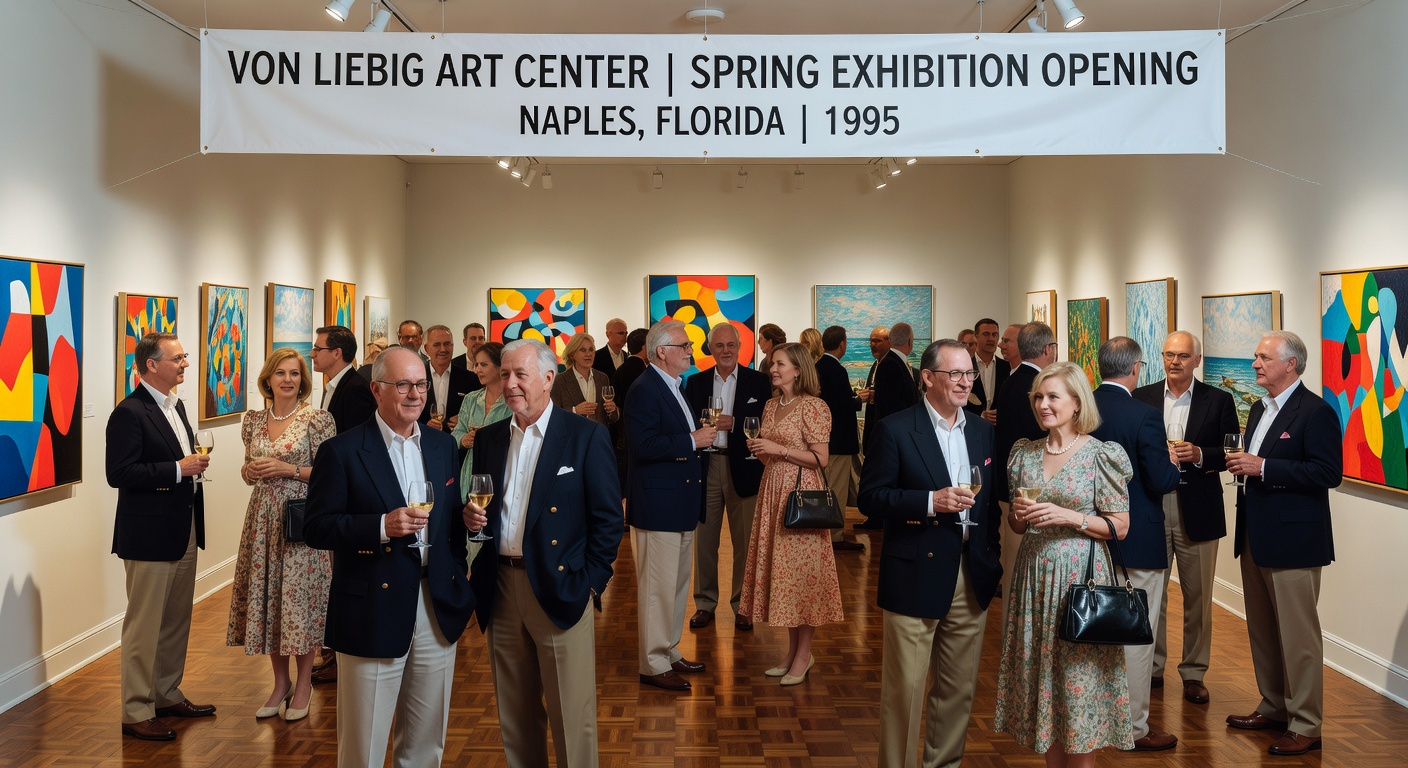



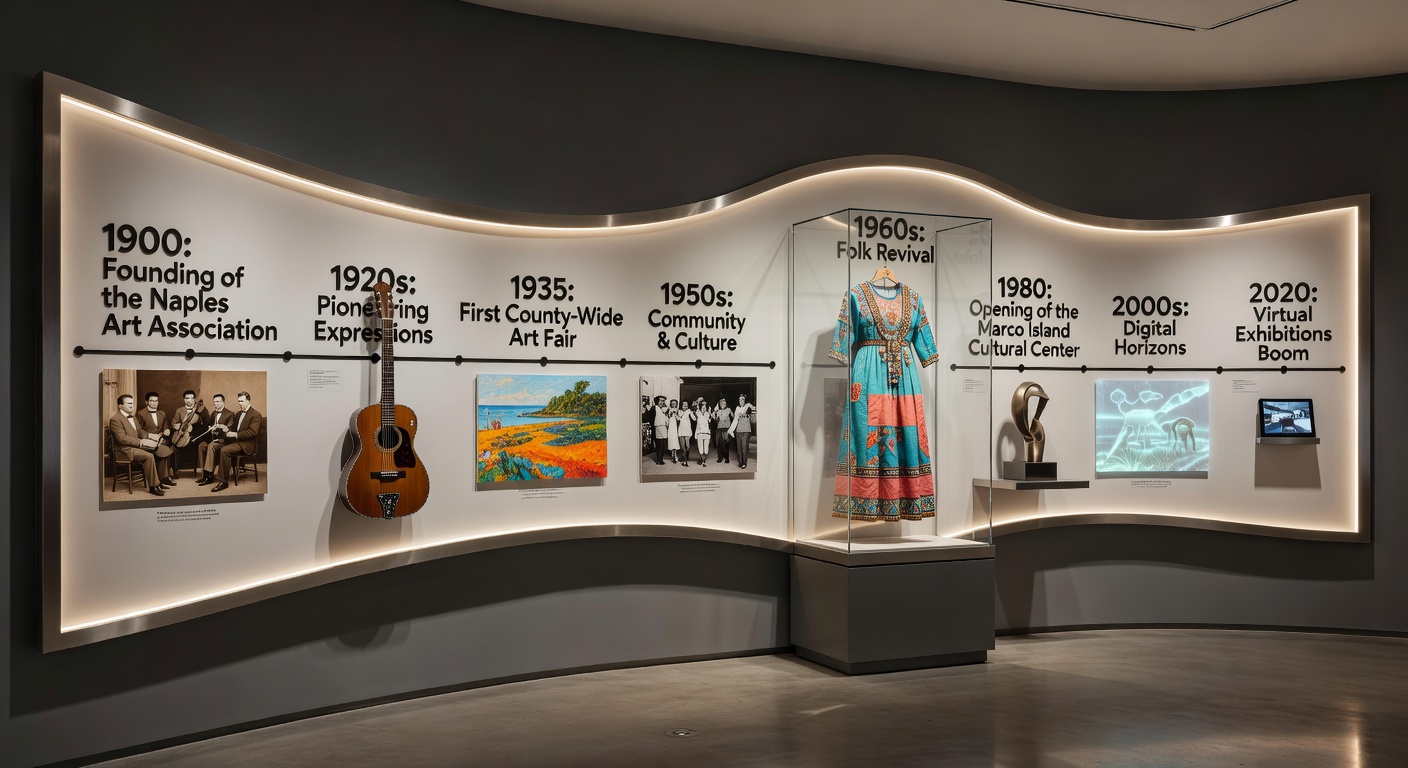
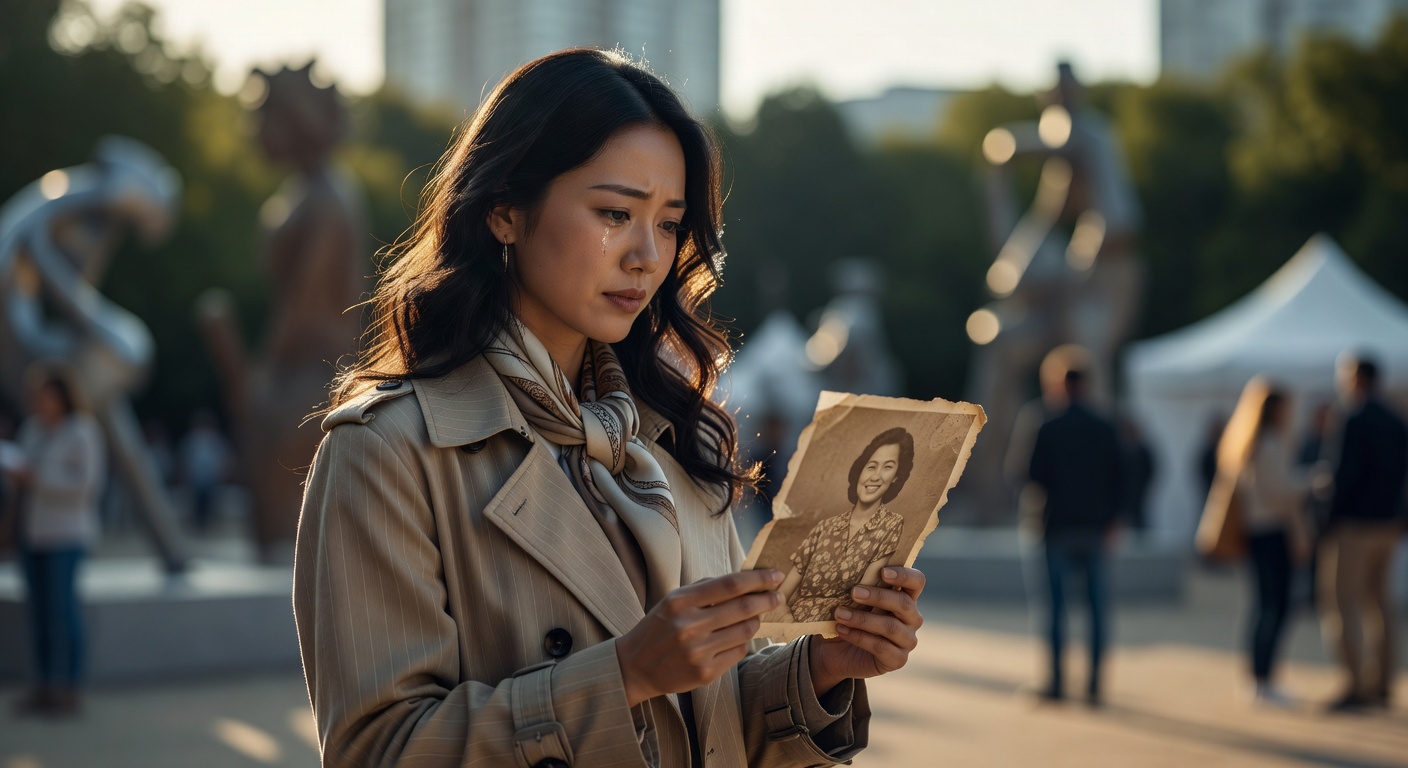

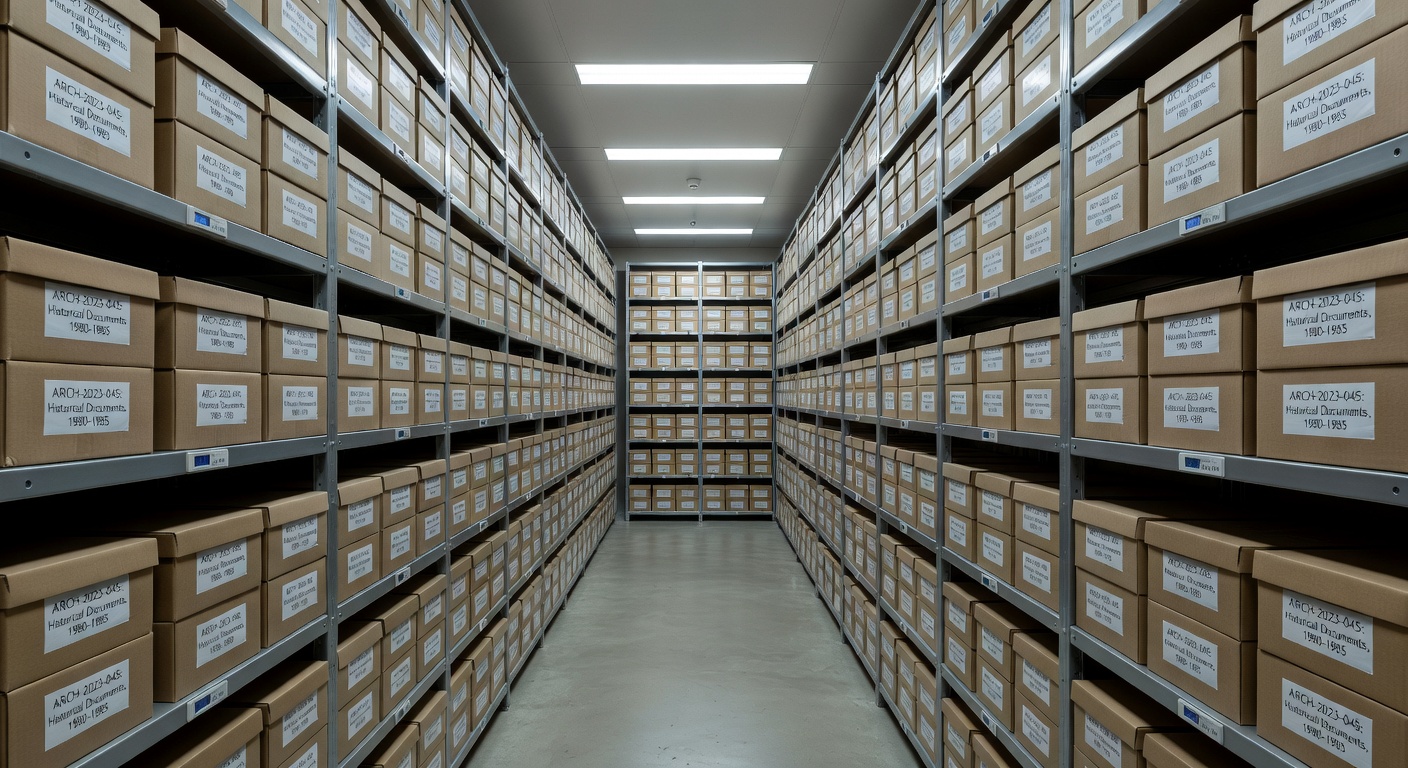

The initiative benefits from a generous seed grant from the Community Foundation of Collier County and technology partnerships with Florida Gulf Coast University’s Digital History Lab. The first phase focuses on collecting materials from 1970 through 2000, a formative period that saw the establishment of many of the region’s most important cultural institutions.
Early Artifacts Already Unearthed
Even in its infancy, the archive has uncovered remarkable treasures. Among the most significant finds are:
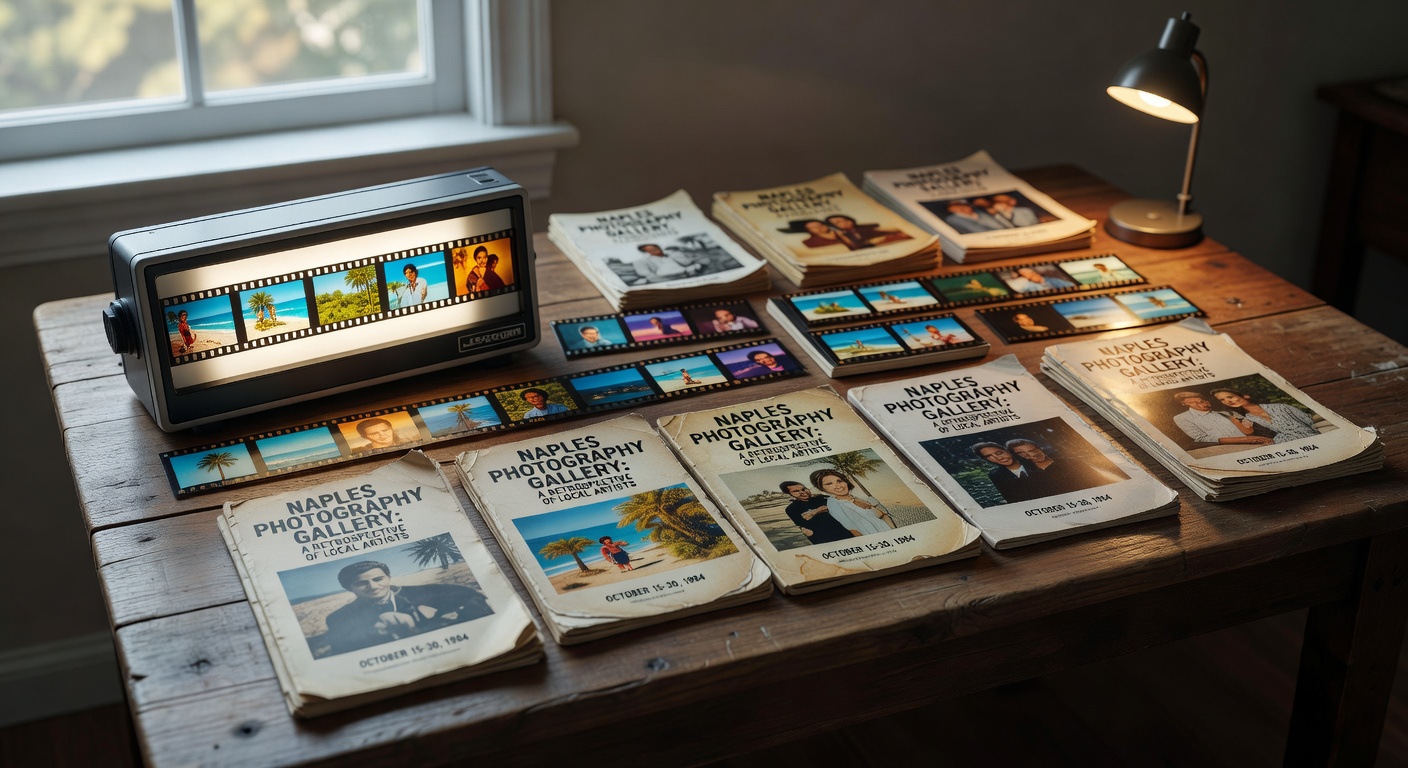
- A complete set of original 1983–1987 season programs from the Naples Art Association’s early juried exhibitions.
- Never-before-seen color slides from the 1984 “Art in the Park” festival, showing the evolution of what would become the Naples Art Festival.
- Handwritten meeting minutes from the founding board of the Philharmonic Center for the Arts (now Artis–Naples).
- Rare posters from the short-lived but influential “Collier County Arts Cooperative” of the late 1970s.
These artifacts provide a vivid window into a time when the arts community was smaller, more experimental, and deeply committed to building institutions from the ground up.
Key Historical Milestones
The Collier Arts Archive team has identified several defining moments that shaped the county’s cultural landscape. These milestones form the backbone of the project’s developing timeline.
The 1970s: Foundations
The decade began with the establishment of the Naples Art Association in 1972. What started as a small group of passionate painters meeting in private homes quickly grew into organized exhibitions and educational programs. By 1975, the first formal gallery space dedicated to local artists opened in downtown Naples.
Simultaneously, the Naples Music Club and various theater groups began laying the groundwork for what would become a thriving performing arts scene. The archive contains audio recordings of some of these earliest musical performances, many never digitized until now.
The 1980s: Expansion and Professionalization
The 1980s represent perhaps the most dynamic period in Collier arts history. The construction of the Philharmonic Center for the Arts in 1989 was a watershed moment, giving the region a world-class venue that attracted internationally renowned performers while providing a permanent home for local companies.
This decade also saw the birth of major community events still celebrated today, including the Naples National Art Festival and the establishment of several important galleries along 5th Avenue South and in Marco Island. The archive’s collection of 1980s photographs reveals both the growing sophistication of exhibitions and the grassroots spirit that made them possible.
The 1990s–2000s: Diversification
As the county’s population grew, so did the diversity of its artistic expression. New organizations emerged to support Latin American, Caribbean, and Asian artistic traditions. The establishment of the von Liebig Art Center in 1998 created a dedicated space for contemporary visual arts education and exhibition.
The archive is particularly focused on documenting these often-overlooked stories of cultural diversity and inclusion that helped define modern Collier County.
How to Contribute Your Story
One of the most distinctive aspects of the Collier Arts Archive is its commitment to community participation. Rather than being solely an institutional project, it is designed as a collaborative effort between UAC, local organizations, and individual residents.
What UAC Is Looking For
The archive team is actively seeking several categories of materials:
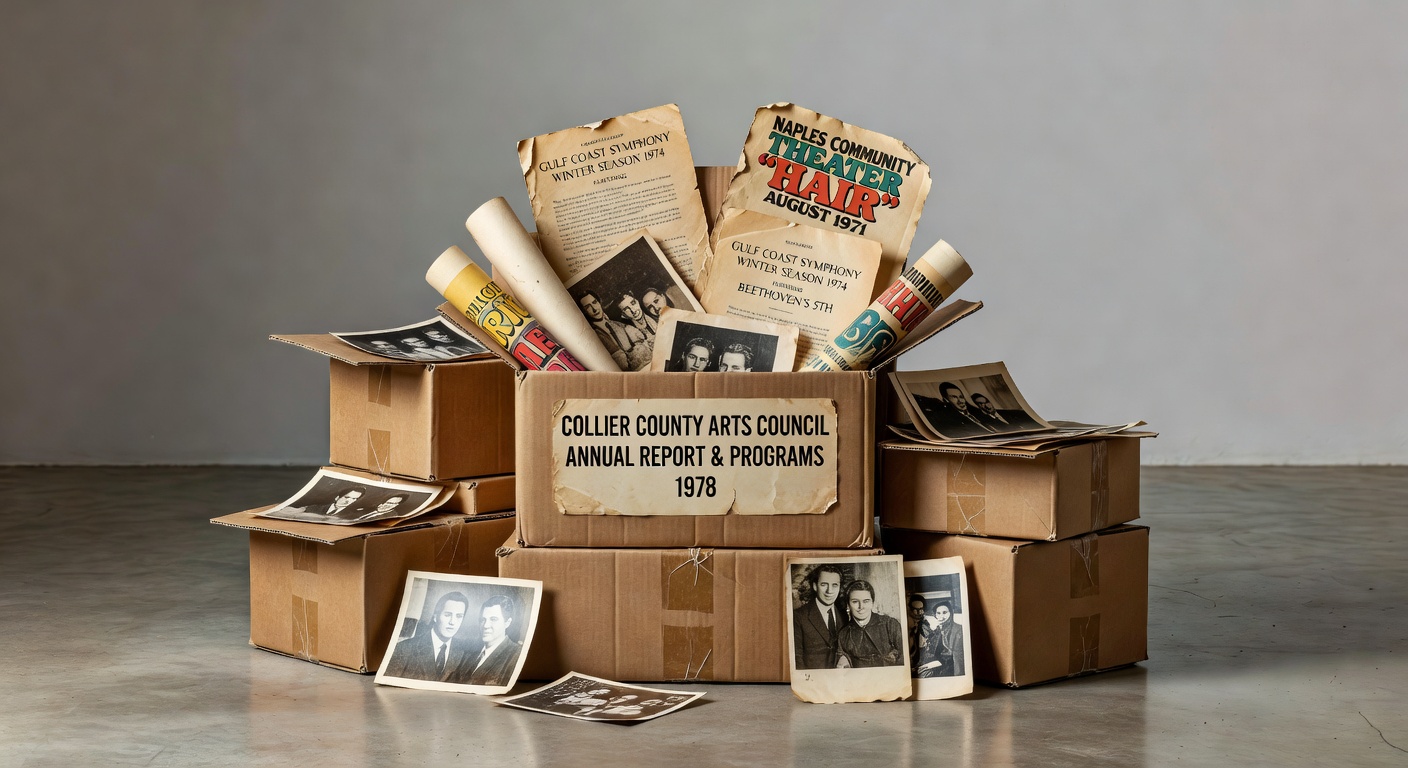
- Photographs from exhibitions, performances, festivals, and classes (especially 1970s–1990s)
- Programs, brochures, posters, and flyers
- Personal recollections and oral histories from artists, volunteers, and audience members
- Tickets, invitations, and ephemera from significant events
- Correspondence, meeting notes, and organizational records
- Video or audio recordings of performances and interviews
Contribution Process
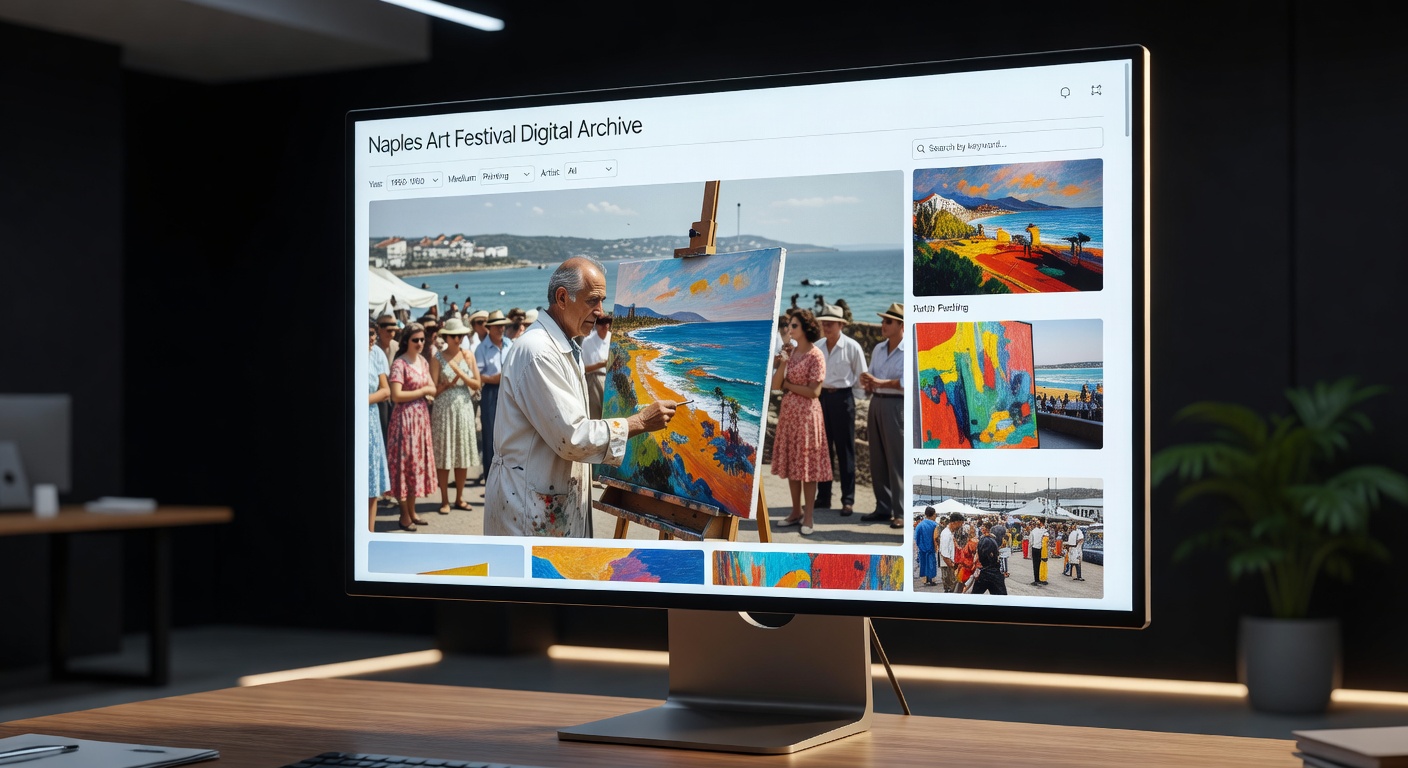
Contributing to the archive is straightforward. Individuals can visit the dedicated Collier Arts Archive portal on the United Arts Collier website to upload digital files or schedule an appointment to have physical materials professionally scanned. All contributors receive digital copies of their materials and are credited in the archive database unless they request anonymity.
Of particular interest are “contributor spotlights” — short video interviews with longtime arts advocates. These personal stories add essential human context to the historical documents and photographs.
Upcoming Exhibitions from the Archive
The Collier Arts Archive is not simply a digital database — it will serve as the foundation for public programming throughout Collier County. Several exhibitions are already in development:
“1985: A Snapshot in Time” (Fall 2025)
This exhibition will feature more than 80 never-before-displayed photographs and artifacts from 1985, a pivotal year that saw both the groundbreaking for the Phil and the first major wave of professional artists settling in Naples.
“Women Who Built the Arts” (Spring 2026)
Highlighting the critical but often underrecognized contributions of female artists, patrons, and administrators who shaped the county’s cultural infrastructure from 1970 to the present.
“From Studio to Stage” (2027)
An ambitious multimedia exhibition exploring the relationship between visual and performing arts in Collier County over five decades.
Each exhibition will be accompanied by a robust digital experience accessible through the Collier Arts Archive portal, allowing virtual visitors to explore related materials not included in the physical displays.
Why Local Arts History Matters
In an era of rapid development and changing demographics, preserving cultural memory takes on increased significance. The Collier Arts Archive serves multiple vital purposes:
Identity and Sense of Place
Understanding where we came from strengthens our connection to where we live. For both longtime residents and newcomers, the archive provides context for the vibrant arts community they experience today.
Education and Inspiration
Students, emerging artists, and scholars gain valuable perspective by studying the successes, challenges, and evolution of previous generations. Many of today’s most respected local artists credit early mentors and institutions documented in the archive.
Economic and Tourism Value
A well-documented cultural heritage enhances Collier County’s reputation as a sophisticated arts destination. The archive will eventually support scholarly publications, documentary films, and heritage tourism initiatives.
Equity and Inclusion
By deliberately seeking stories from diverse communities, the project ensures that the official history reflects the full spectrum of artistic voices that have contributed to Collier County’s cultural richness.
The Road Ahead: UAC’s Three-Year Vision
The Collier Arts Archive represents just the beginning of United Arts Collier’s ambitious three-year plan. By 2028, the organization envisions a fully searchable digital platform, a physical reading room, a robust oral history collection of at least 100 interviews, and multiple published works drawn from the archive’s holdings.
Most importantly, the project aims to create a sustainable model that can be maintained and expanded by future generations of arts administrators and community members.
As Rodriguez notes, “This isn’t just about looking backward. By understanding and honoring our artistic past, we’re better equipped to build an even more vibrant, inclusive, and creative future for Collier County.”
Join the Effort
The success of the Collier Arts Archive depends on community participation. Whether you have a single photograph from a 1980s gallery opening, a program from a memorable performance, or simply a story to tell, your contribution matters.
Visit the United Arts Collier website today to learn more about the Collier Arts Archive, schedule a contribution appointment, or sign up for updates on upcoming exhibitions and discoveries.
Because history isn’t only written by institutions — it’s written by all of us who lived it, supported it, and found meaning in the arts that have enriched our community for more than fifty years.
The Collier Arts Archive is actively collecting materials. All contributions help build a more complete and authentic picture of Naples FL arts history and Collier County cultural heritage.